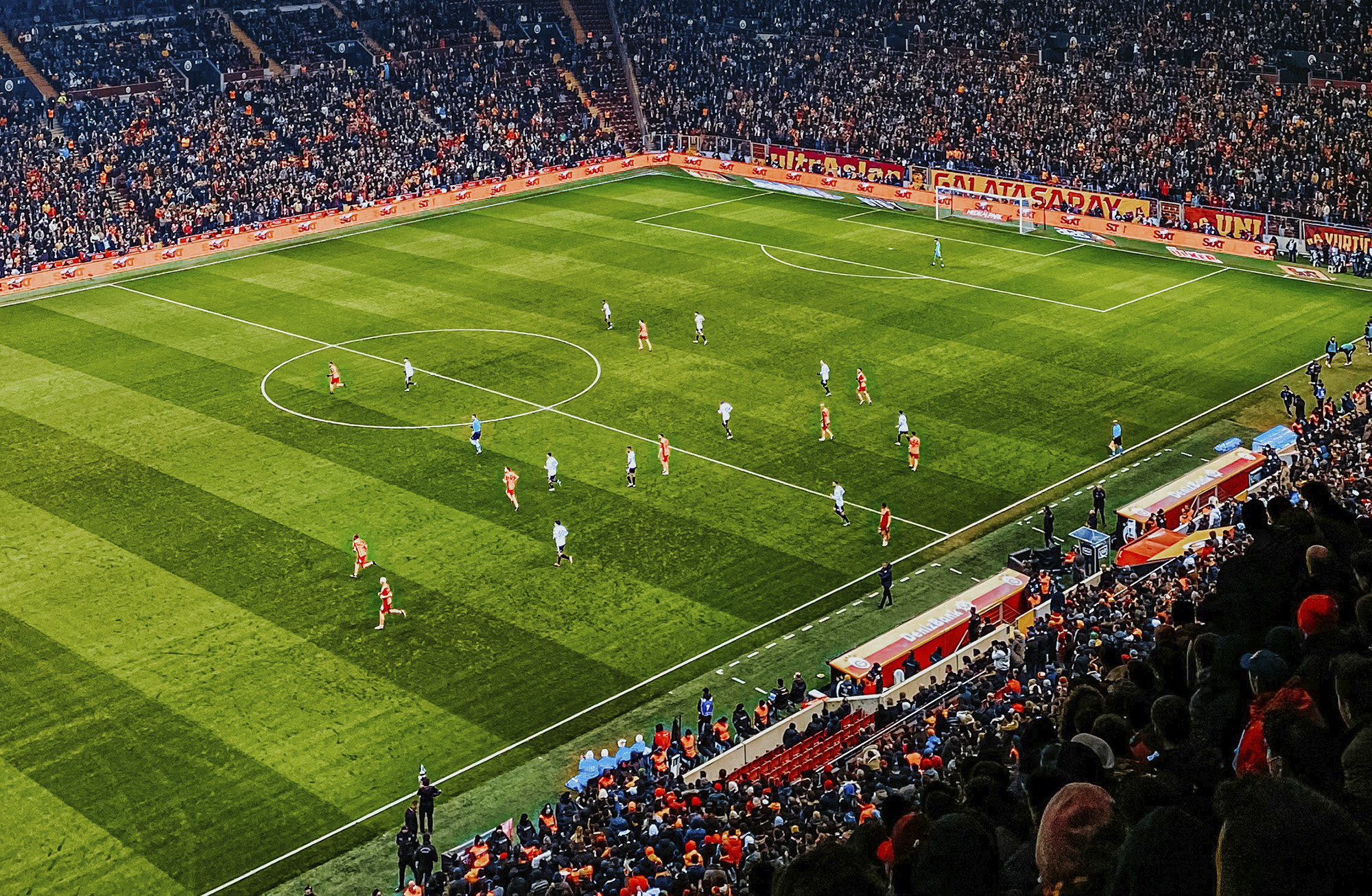
When The World Becomes A Shared Broadcast
Every four years, something unmistakable happens to the rhythm of everyday life. Across continents, time briefly bends itself around a shared schedule that nobody formally agreed to, but everyone understands.
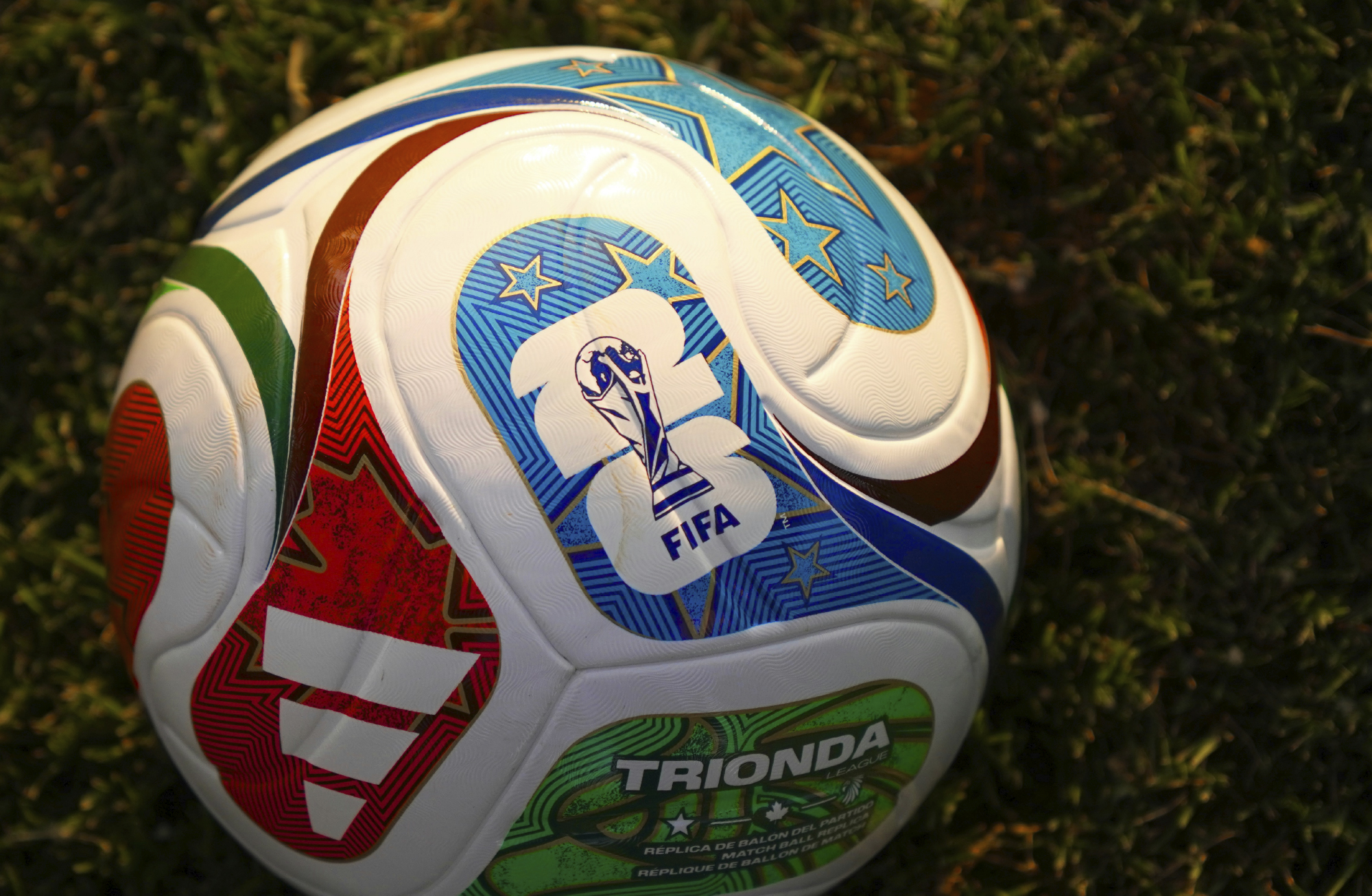
The FIFA World Cup is one of the few remaining cultural moments that still becomes the temporary focus of global attention. And within that condition, brands appear. Some convincingly. Many less so. Despite it being one of the most commercially saturated events in global sport, the brands that endure in memory are rarely those with the most visible placement.
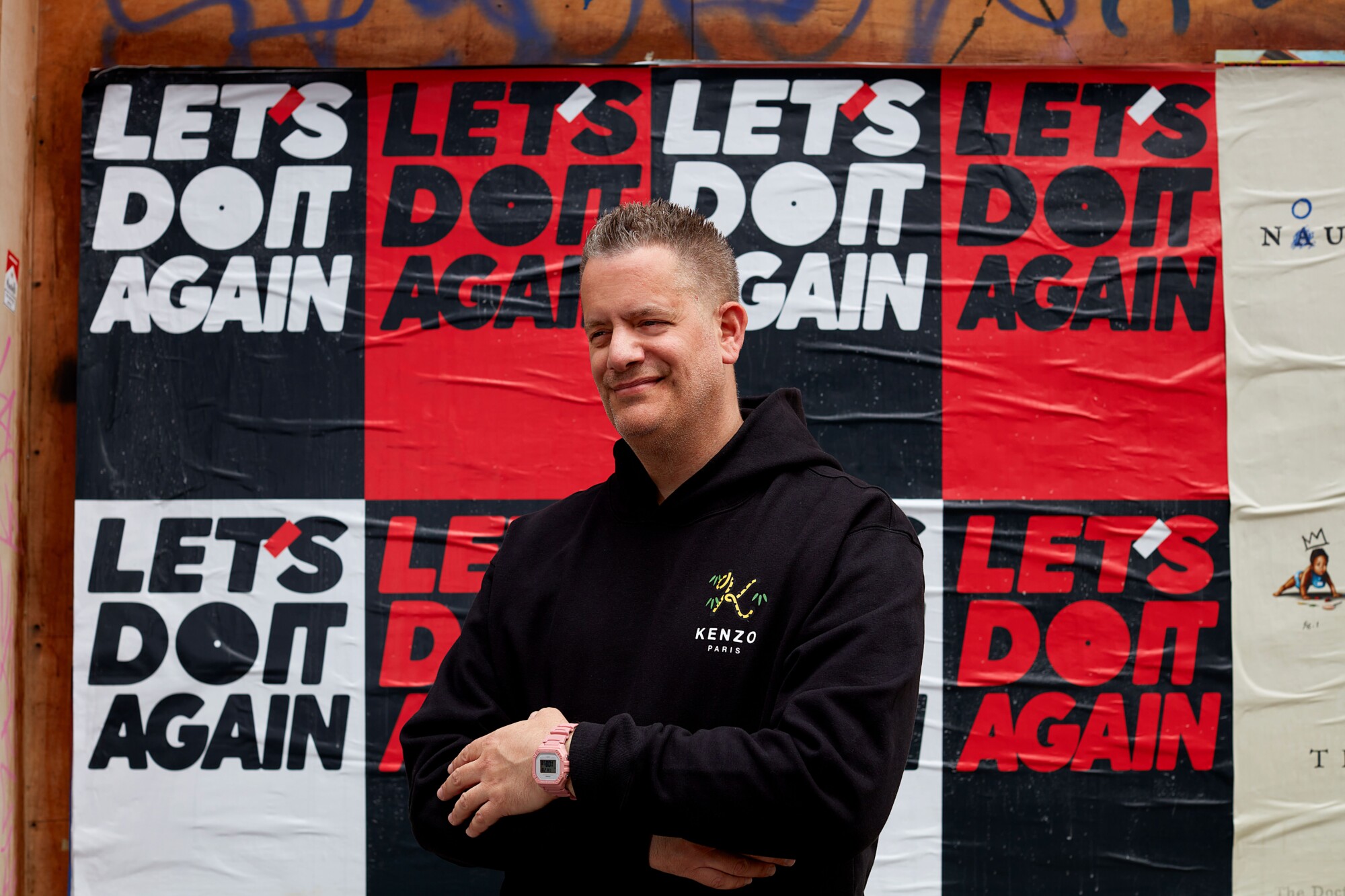
For David Beare, Executive Creative Director at Bulletproof, the world’s largest independent brand agency, the challenge lies in legitimacy.
“The brands that succeed are rarely the ones that simply sponsor the event. The brands that really land in cultural moments are the ones that earn their place inside the culture, rather than simply buying space around it.”
For audiences, the distinction is often obvious.
“Fans don’t build relationships with perimeter boards or official partner logos,” says Alexander. “They build relationships with the brands that understand their rituals, emotions and behaviours and find authentic ways to contribute to them.”
Visibility can be bought. Relevance cannot.
Increasingly, that relevance is not built through advertising space at all, but through the collision of different cultural worlds.
Ahead of England’s World Cup warm-up against Costa Rica, the team arrived in the Palace x Nike England collaboration, turning a pre-match entrance into a convergence of fashion, sport and identity.
“What made it feel powerful was the collision of worlds,” says Beare. “Palace started as a relatively niche skate and streetwear brand. Nike is one of the world’s biggest sporting brands. England carries the emotion, tension and mythology of national football. Then you add the World Cup, the greatest global stage in the sport. And then you add the players themselves, many of whom are brands in their own right.
This was less a traditional collaboration than a stacking of cultural systems.
“Maybe it is not a four-way collaboration at all. Maybe it is five brands, or even more, all amplifying each other at exactly the right cultural moment.”
This is where sport stops behaving like sport alone, and begins operating as culture infrastructure—where fashion, identity, entertainment and commerce temporarily overlap.
As Beare puts it: “Sponsorship buys visibility. Design creates meaning.”
And long after the final whistle, it is meaning — not visibility — that tends to remain.